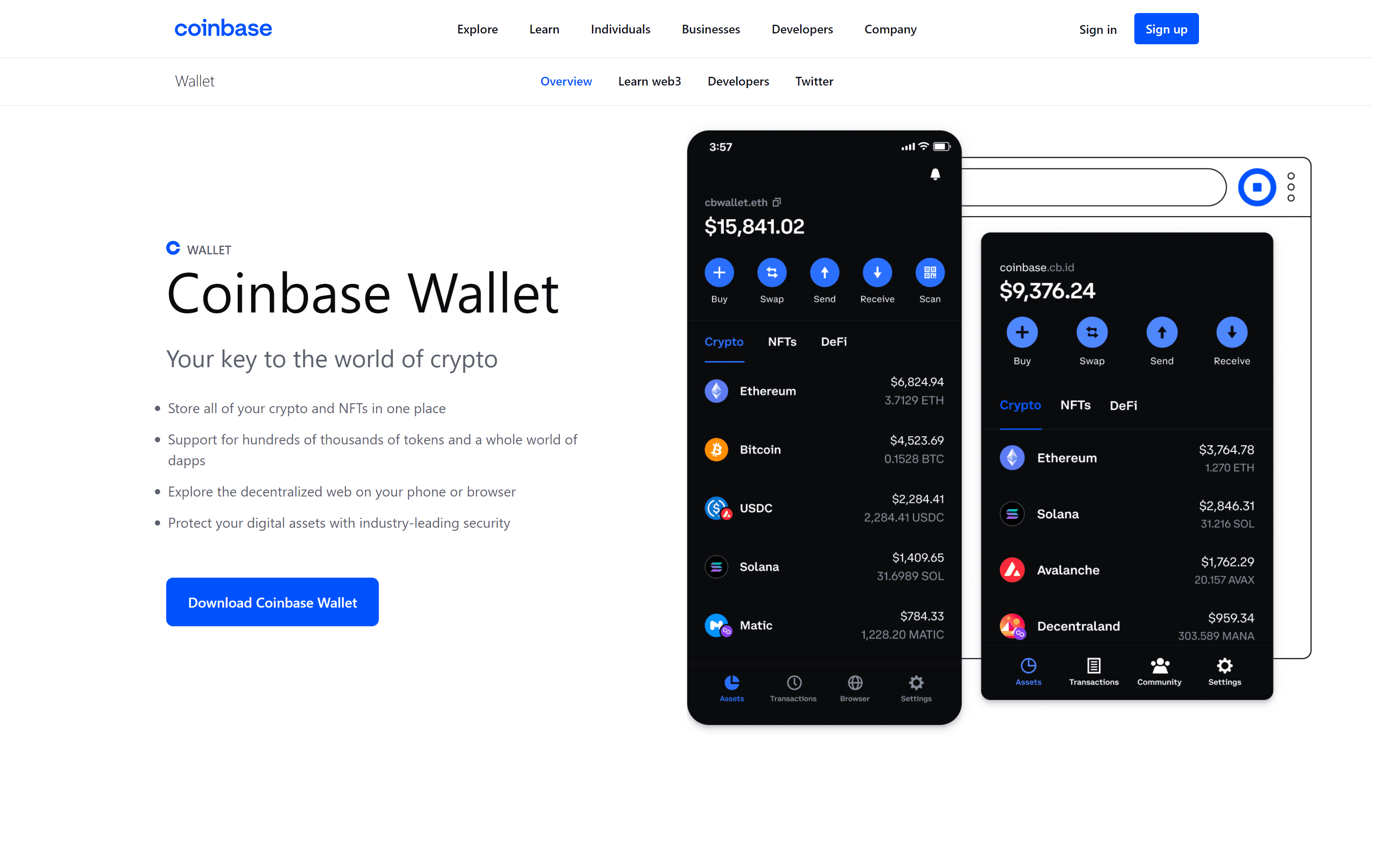
Coinbase Wallet Extension: A Complete Guide to Secure Crypto Access
The rapid growth of cryptocurrencies has brought new ways to store, manage, and interact with digital assets. Among the tools that have become essential for crypto users is the Coinbase Wallet Extension, a browser-based solution designed to provide secure access to digital assets, decentralized applications, and blockchain services. Unlike standard exchange accounts, the Coinbase Wallet Extension allows users to retain full control over their private keys while integrating with web-based decentralized applications. This article provides a comprehensive guide to the Coinbase Wallet Extension, how it works, its features, security considerations, and tips for using it effectively.
What Is the Coinbase Wallet Extension?
The Coinbase Wallet Extension is a browser extension compatible with major browsers like Chrome, Firefox, and Edge. It acts as a non-custodial wallet, meaning that users have sole ownership of their private keys and funds. This contrasts with traditional exchange wallets, where the exchange retains control of user assets. The extension enables users to:
Store cryptocurrencies securely
Manage multiple blockchain accounts
Interact with decentralized applications (dApps) directly from the browser
Send and receive digital assets
Connect seamlessly to other crypto services on the web
Because the wallet is non-custodial, it gives users complete control and responsibility for managing their private keys and recovery phrases. This feature is particularly appealing to advanced users who want to interact with decentralized finance (DeFi), NFTs, and blockchain-based games.
How to Set Up the Coinbase Wallet Extension
Setting up the Coinbase Wallet Extension is straightforward but requires careful attention to security. Here’s a step-by-step guide:
1. Install the Extension
Visit the official Coinbase website or the browser’s extension store to download the Coinbase Wallet Extension. After installing, the extension icon appears on the browser toolbar.
2. Create a New Wallet
Once installed, users can create a new wallet. The setup process includes:
Creating a strong password
Generating a 12- or 24-word recovery phrase
Backing up the recovery phrase securely
The recovery phrase is critical because it allows users to restore access if the device or browser is lost. It should be stored offline in a safe location and never shared with anyone.
3. Import an Existing Wallet
For users who already have a Coinbase Wallet or other compatible wallets, the extension allows importing an existing wallet using a recovery phrase. This enables seamless access to previously held assets and accounts.
4. Confirm and Secure
After setup, users should confirm that the wallet is functioning correctly and ensure that all security measures, including passwords and recovery phrase backups, are properly implemented.
Features of the Coinbase Wallet Extension
The Coinbase Wallet Extension offers a wide range of features designed to meet the needs of both casual and professional crypto users.
1. Multi-Asset Management
Users can store and manage multiple cryptocurrencies, including Bitcoin, Ethereum, and thousands of ERC-20 tokens. The extension allows viewing balances, sending, and receiving funds directly from the browser.
2. dApp Integration
One of the primary benefits of the Coinbase Wallet Extension is its ability to connect directly to decentralized applications. Users can:
Trade on decentralized exchanges
Participate in yield farming and staking
Buy, sell, or view NFTs
Interact with blockchain-based games
This functionality enables users to access the broader blockchain ecosystem without leaving the browser.
3. Transaction Management
The extension provides detailed transaction history and real-time updates on blockchain activity. Users can review pending transactions, confirm completion, and monitor gas fees, ensuring transparency and control over all actions.
4. Secure Private Key Storage
Private keys are stored locally on the user’s device, not on centralized servers. This ensures that only the user has access to their funds and reduces the risk of hacks targeting centralized storage.
5. Cross-Platform Compatibility
The Coinbase Wallet Extension can be linked to mobile wallets, allowing users to synchronize accounts and access funds across devices. This enhances flexibility and convenience for those who manage assets on the go.
Security Best Practices for Using the Coinbase Wallet Extension
Security is a critical aspect of using any non-custodial wallet. Since the extension provides full control over assets, users must take extra precautions to protect their funds.
1. Safeguard Your Recovery Phrase
The recovery phrase is the master key to your wallet. Store it offline, ideally in a secure location like a safe or encrypted storage device. Never share it with anyone, and avoid storing it digitally on a computer or cloud service that could be hacked.
2. Use Strong Passwords
A strong, unique password protects the wallet interface from unauthorized access. Combining letters, numbers, and symbols increases security.
3. Enable Device Security
Ensure that the device running the wallet extension is secure. Use antivirus software, update your operating system regularly, and avoid using public or unsecured networks when managing your wallet.
4. Avoid Phishing Attempts
Be cautious of fake websites or browser pop-ups requesting wallet information. Always verify the source before connecting your wallet to a dApp or service.
5. Regularly Review Wallet Activity
Monitor transactions and account activity frequently. If unauthorized activity is detected, take immediate steps to secure funds, including moving assets to a new wallet with a fresh recovery phrase.
Common Use Cases for the Coinbase Wallet Extension
The Coinbase Wallet Extension caters to a variety of crypto users, from casual holders to advanced DeFi participants.
1. Decentralized Finance (DeFi)
Users can interact with lending protocols, staking services, and liquidity pools directly from the extension. This allows earning interest, providing liquidity, and participating in governance mechanisms within various blockchain ecosystems.
2. NFT Management
The extension provides a simple interface to buy, sell, and store non-fungible tokens. Collectors can connect to NFT marketplaces, view their collections, and manage digital assets securely.
3. Blockchain Games and Applications
Gamers and users of blockchain-based applications can connect the wallet to games and dApps, enabling in-game asset management and token interaction without leaving the browser.
4. Direct Trading and Transfers
While not an exchange platform itself, the extension allows direct wallet-to-wallet transfers, ensuring fast and secure transactions between users.
Advantages of Using the Coinbase Wallet Extension
The Coinbase Wallet Extension provides several advantages over traditional custodial wallets:
Full Control: Users hold their private keys, giving them complete ownership of their assets.
Convenience: Accessing dApps and blockchain services directly from the browser streamlines user experience.
Security: Local storage of private keys reduces exposure to centralized platform hacks.
Cross-Platform Support: Synchronization with mobile wallets ensures flexibility.
Wide Asset Support: Supports multiple cryptocurrencies and blockchain tokens, enhancing versatility.
Potential Risks and Considerations
While the Coinbase Wallet Extension offers many benefits, users should be aware of potential risks:
Responsibility for Security: Users are entirely responsible for securing their private keys and recovery phrases. Loss of these keys can result in permanent loss of assets.
Phishing and Scams: Connecting the wallet to unverified dApps or websites can expose assets to theft.
Device Vulnerabilities: Malware or keyloggers on the user’s device can compromise wallet security.
No Custodial Insurance: Unlike exchange wallets, funds in a non-custodial wallet are not insured against loss or theft.
Understanding these risks ensures that users take appropriate precautions while using the extension.
Tips for Maximizing Security and Usability
Use Hardware Wallets with the Extension: Integrating a hardware wallet adds an extra layer of security by keeping private keys offline.
Test Transactions: Before interacting with new dApps, send a small test transaction to confirm security and functionality.
Regular Backups: Periodically review and update backup storage of recovery phrases and passwords.
Educate Yourself on DeFi Risks: Understand the risks associated with staking, lending, and liquidity pools to avoid unexpected losses.
Stay Updated: Keep the extension, browser, and operating system up to date to protect against vulnerabilities.
Conclusion
The Coinbase Wallet Extension is a powerful tool for cryptocurrency users who value security, control, and direct access to decentralized applications. By storing private keys locally, providing cross-platform compatibility, and enabling seamless interaction with blockchain services, the extension offers a convenient and versatile solution for managing digital assets.
While non-custodial wallets place full responsibility on the user, proper security practices — including safeguarding recovery phrases, using strong passwords, avoiding phishing attempts, and monitoring activity — ensure a safe and productive experience. From managing multiple cryptocurrencies to participating in DeFi, NFTs, and blockchain games, the Coinbase Wallet Extension empowers users to engage with the crypto ecosystem fully while maintaining ownership and control of their digital assets.
For anyone seeking a browser-based, secure, and versatile wallet, the Coinbase Wallet Extension remains a trusted and effective option, bridging the gap between usability and the security demands of modern cryptocurrency management.