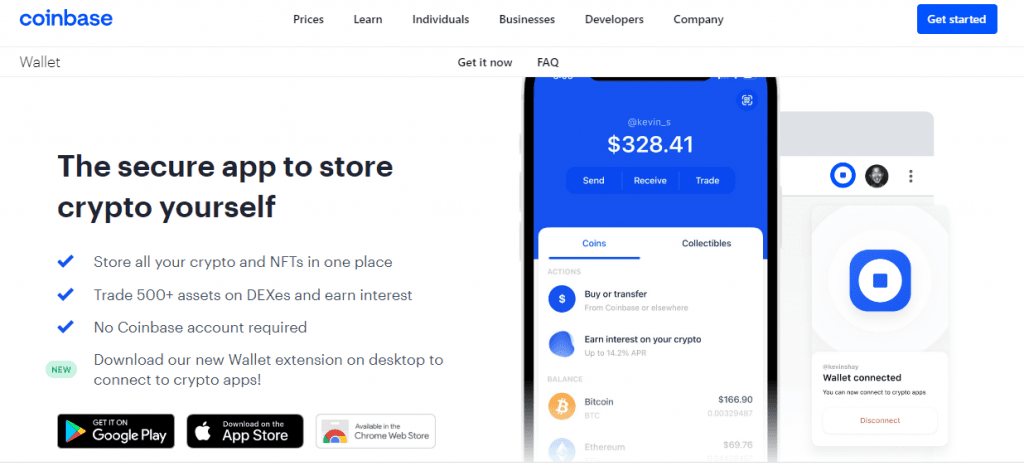
Coinbase Extension: Secure Access to Crypto and Web3
Cryptocurrency adoption has grown rapidly over the past decade, and with it, the tools to manage digital assets have become more sophisticated. One such tool is the Coinbase Extension, a browser-based wallet that allows users to securely manage cryptocurrency and interact with decentralized applications (dApps) without leaving their web browser. This guide provides a comprehensive overview of the Coinbase Extension, explaining its purpose, features, setup process, security measures, and best practices for safe usage.
What Is the Coinbase Extension?
The Coinbase Extension is a browser wallet designed to give users access to cryptocurrency holdings, decentralized finance (DeFi) services, and Web3 applications directly from popular browsers such as Chrome, Brave, and Edge. Unlike custodial wallets, where a third party controls your funds, the Coinbase Extension is non-custodial, meaning you retain control over your private keys and your digital assets.
By offering direct access to decentralized applications, the extension allows users to perform tasks such as token swaps, NFT purchases, DeFi staking, and blockchain-based gaming, all while maintaining control of their private keys and transaction approvals.
Key Features of the Coinbase Extension
The Coinbase Extension provides several features that make it both secure and user-friendly:
1. Non-Custodial Wallet
Users retain full control over their private keys, which means Coinbase does not have access to your funds. This enhances security and ensures true ownership of digital assets.
2. Web3 Integration
The extension allows users to connect to Web3 platforms and decentralized applications. This integration enables users to:
Trade on decentralized exchanges
Participate in DeFi lending and borrowing
Interact with NFT marketplaces
Play blockchain-based games
3. Multi-Currency Support
The extension supports multiple cryptocurrencies, including major coins like Bitcoin and Ethereum, as well as tokens on Ethereum and other EVM-compatible networks. Users can manage multiple assets within a single interface.
4. Built-in Token Swaps
The Coinbase Extension includes a built-in swap feature, allowing users to exchange one token for another without relying on external platforms. This feature saves time and reduces exposure to third-party services.
5. Portfolio Management
Users can view their crypto holdings, track portfolio performance, and monitor market trends directly within the extension. This provides a clear overview of asset distribution and total value.
6. Mobile and Desktop Integration
The extension can synchronize with the Coinbase Wallet mobile app. This enables:
Biometric authentication
Backup of recovery phrases
Seamless management across devices
Setting Up the Coinbase Extension
Setting up the Coinbase Extension is straightforward, but it requires careful attention to security practices. Here is a step-by-step guide:
1. Install the Extension
Download the Coinbase Extension from your browser’s official store. Avoid third-party download sites to prevent malware. Once installed, click on the extension icon in your browser toolbar.
2. Create a New Wallet
If you are new to Coinbase, select the option to create a new wallet. During setup, you will receive a 12-word recovery phrase, which acts as a backup for accessing your wallet in case your device is lost or compromised.
3. Secure Your Recovery Phrase
Your recovery phrase is critical. Write it down and store it in a secure, offline location. Avoid saving it digitally, taking screenshots, or sharing it with anyone. Consider using a fireproof safe or multiple secure storage locations.
4. Set a Strong Password
Create a strong password for your wallet to prevent unauthorized access. Include a combination of letters, numbers, and symbols to increase security.
5. Enable Two-Factor Authentication
While optional, enabling two-factor authentication (2FA) on your connected Coinbase account adds an extra layer of protection. Use an authentication app rather than SMS-based codes for better security.
6. Connect to Mobile Wallet
Synchronizing the extension with the Coinbase Wallet mobile app allows users to approve transactions, access biometric security features, and back up recovery phrases across devices.
Using the Coinbase Extension
After setup, the Coinbase Extension provides a wide range of functions for managing cryptocurrency and engaging with decentralized applications.
1. Sending and Receiving Cryptocurrency
To send crypto:
Select the cryptocurrency you wish to send
Enter the recipient’s address and the amount
Confirm the transaction and review fees
To receive crypto:
Share your wallet’s public address with the sender
Verify the address for accuracy before sharing
2. Swapping Tokens
The extension allows users to swap tokens directly within the wallet. Enter the amount, select the token to receive, and approve the swap. Network fees may vary depending on blockchain congestion.
3. Connecting to dApps
Users can connect the Coinbase Extension to Web3 platforms by clicking “Connect Wallet” on supported applications. After confirming the connection, users can:
Trade on decentralized exchanges
Participate in DeFi lending or staking
Buy, sell, or mint NFTs
Interact with smart contracts
All transactions must be approved within the wallet to ensure security.
4. Managing NFTs
The extension allows users to view, send, and manage NFT collections stored on supported blockchains. Users can also connect to NFT marketplaces to buy or sell digital assets directly from the wallet.
5. Switching Networks
Users can switch between supported blockchains with a few clicks, allowing management of assets on multiple networks. Make sure you have native tokens for gas fees when performing transactions.
Security Measures in the Coinbase Extension
The Coinbase Extension is designed with security in mind, but users must also take proactive steps to protect their assets. Key security features include:
1. Local Key Storage
Private keys are stored locally on the device, encrypted, and never shared with Coinbase. This ensures that users maintain full control over their funds.
2. Non-Custodial Ownership
Since users control their private keys, no one else can access, freeze, or confiscate assets stored in the wallet.
3. Recovery Phrase Backup
The 12-word recovery phrase provides a secure method to restore the wallet if the device is lost, damaged, or reset.
4. Transaction Approval
All transactions require user confirmation. This prevents unauthorized transfers from malicious websites or scripts.
5. Auto-Lock
The extension can be configured to lock automatically after a period of inactivity, adding an extra layer of protection.
Best Practices for Coinbase Extension Users
Even with built-in security features, adopting best practices is essential for protecting digital assets:
Store Recovery Phrases Securely: Never share your 12-word phrase or store it digitally.
Use Strong Passwords: Ensure your password is unique and difficult to guess.
Enable Two-Factor Authentication: Use an authentication app for added security.
Verify dApps: Only connect to verified decentralized applications to avoid phishing scams.
Keep Software Updated: Regularly update your browser and the wallet extension.
Use Private Networks: Avoid public Wi-Fi when accessing your wallet.
Monitor Transactions: Regularly review transactions to detect unauthorized activity quickly.
Advantages of the Coinbase Extension
User-Friendly Interface: Designed for both beginners and experienced crypto users.
Web3 Ready: Seamless access to decentralized applications and DeFi platforms.
Non-Custodial: Users retain full control over their private keys and funds.
Multi-Chain Support: Manage assets across different blockchain networks.
Integrated Token Swaps: Exchange cryptocurrencies directly within the wallet.
NFT Management: View, send, and interact with digital collectibles.
Cross-Device Compatibility: Syncs with Coinbase Wallet mobile app for convenient management.
Potential Limitations
While the Coinbase Extension is versatile, users should be aware of some limitations:
Hot Wallet Exposure: Being a browser-based wallet, it is more vulnerable to online threats than hardware wallets.
Network Fees: Transactions require gas fees, which may vary depending on blockchain congestion.
User Responsibility: Security depends on users properly managing passwords, recovery phrases, and device security.
Limited Support for Non-EVM Chains: Some blockchains may not be fully supported in the extension.
Conclusion
The Coinbase Extension is a powerful and flexible tool for managing cryptocurrency and engaging with Web3 applications. By offering non-custodial access, multi-chain support, integrated swaps, and seamless dApp connections, it provides a convenient yet secure way to manage digital assets.
Users must take security seriously, including safeguarding recovery phrases, using strong passwords, enabling two-factor authentication, and only connecting to trusted applications. Following these best practices ensures a safe and efficient crypto experience.
Whether you are sending cryptocurrency, swapping tokens, exploring DeFi, or collecting NFTs, the Coinbase Extension offers a comprehensive platform that combines accessibility, security, and control in one browser-based wallet.